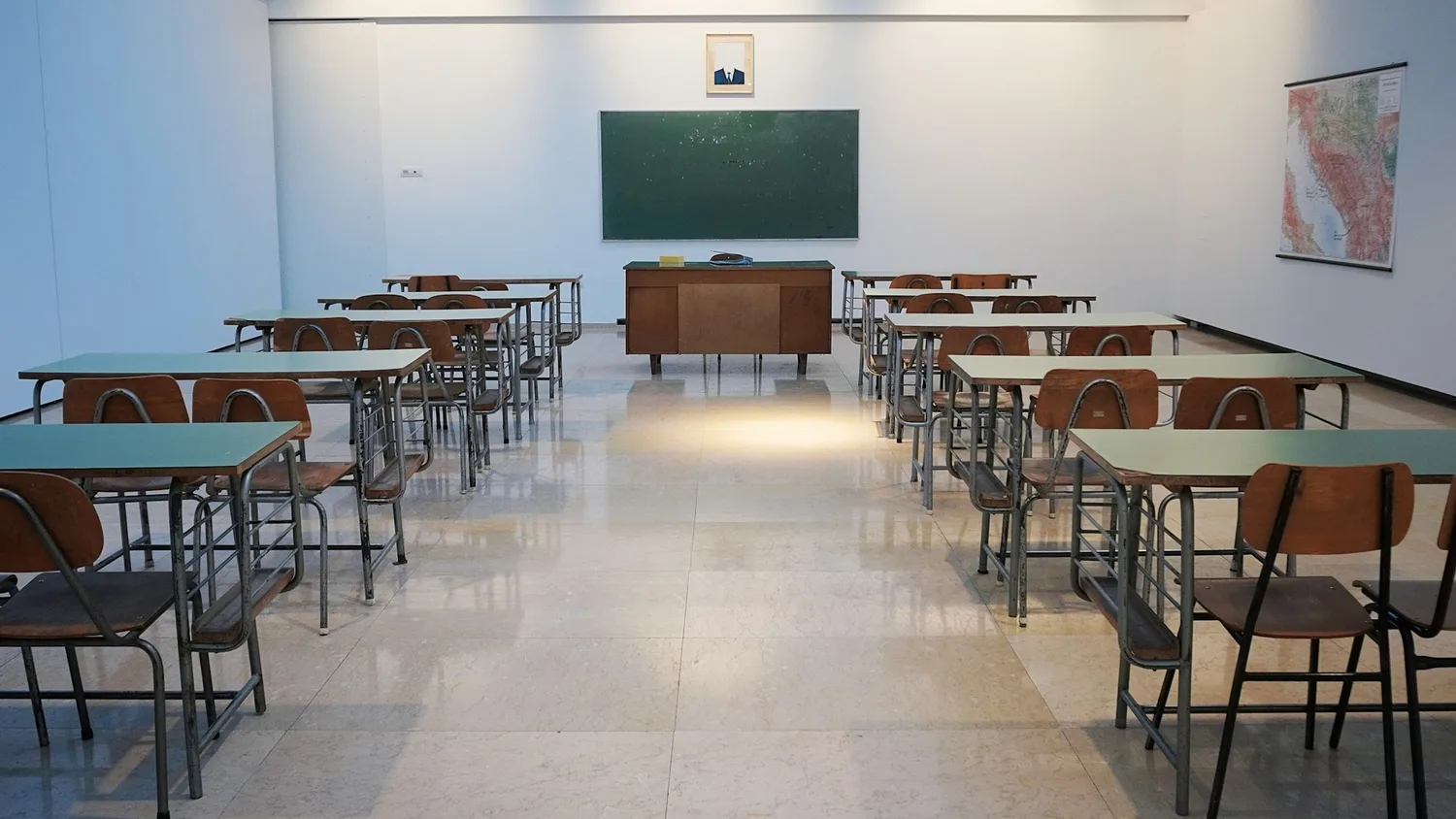
Schools, nurseries and offices
Filtration and monitoring where people drink, for vulnerable groups.
The Tap module fits on the tap. Activated carbon filters the water and a 55 mm sensor, on a long-life battery, watches it. Users refill the carbon themselves, without tools.

Central treatment ends at the plant. The water then travels kilometres of network before it is drunk.
At the ends of the network, water stagnates and residual chlorine decays.
Private pipework sits beyond the reach of central treatment.
People judge their water at the tap, not at the plant.
A network incident or a drought changes the water at the tap.
Water passes through loose activated carbon in a compact housing fitted to the tap, right where it is drunk.
A sensor follows the water’s signature and the state of the carbon. A long-life battery runs it: no wiring, no mains supply.
The user and the operator are alerted when the water drifts, and the user sees when the carbon is spent. The media is refilled on site, with no tools and no disposable cartridge.
Filtration and monitoring where people drink, for vulnerable groups.

Long residence time and low turnover: a final barrier protects drinking water despite the distance.
Protection for the last metres, where private pipework is beyond the reach of central treatment.
It complements central treatment without replacing it.
Treatment where the water is drunk, watched by a sensor.
Carbon targets organic micropollutants, notably long-chain PFAS and certain pesticides. Laboratory tests are under way; qualification is in progress.
An alert if the water drifts, and a prompt when to refill.
Extra treatment only at sensitive points of use.
It does not depend on the network or the resource.